Zoological Interpretation
A planetary-scale interpretation drawn from Ironleaf's authenticated zoological records. This synthesis distinguishes documented evidence from provisional ecological inference.
Observed Ecological Structure
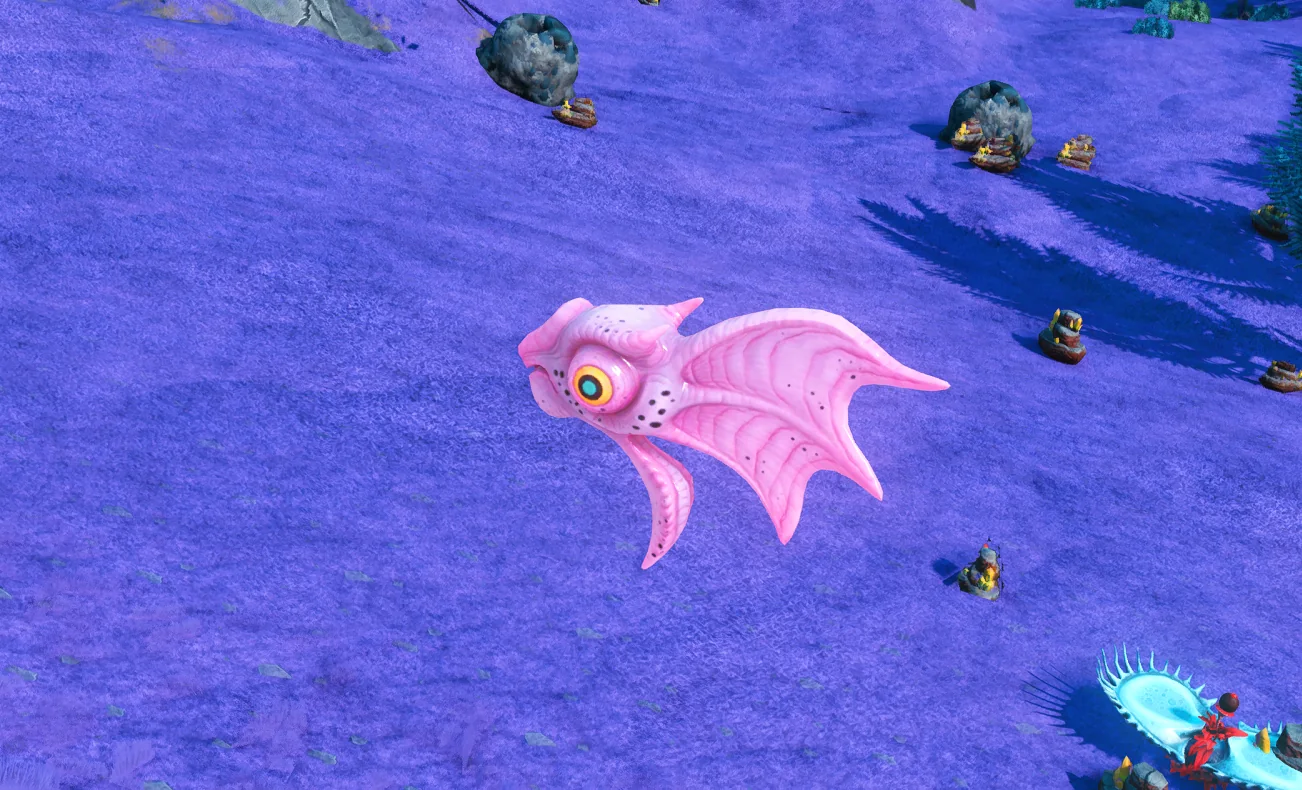
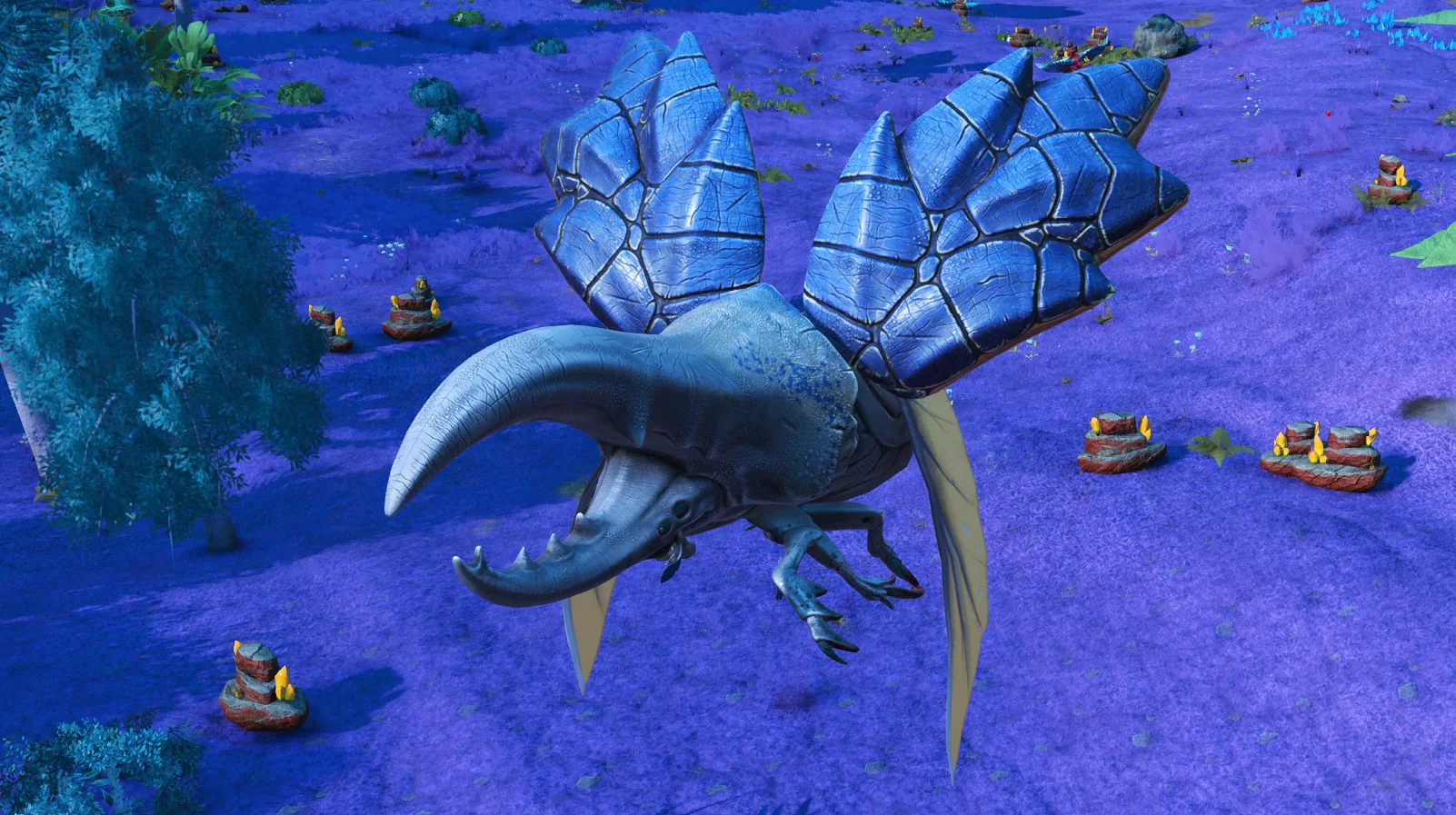
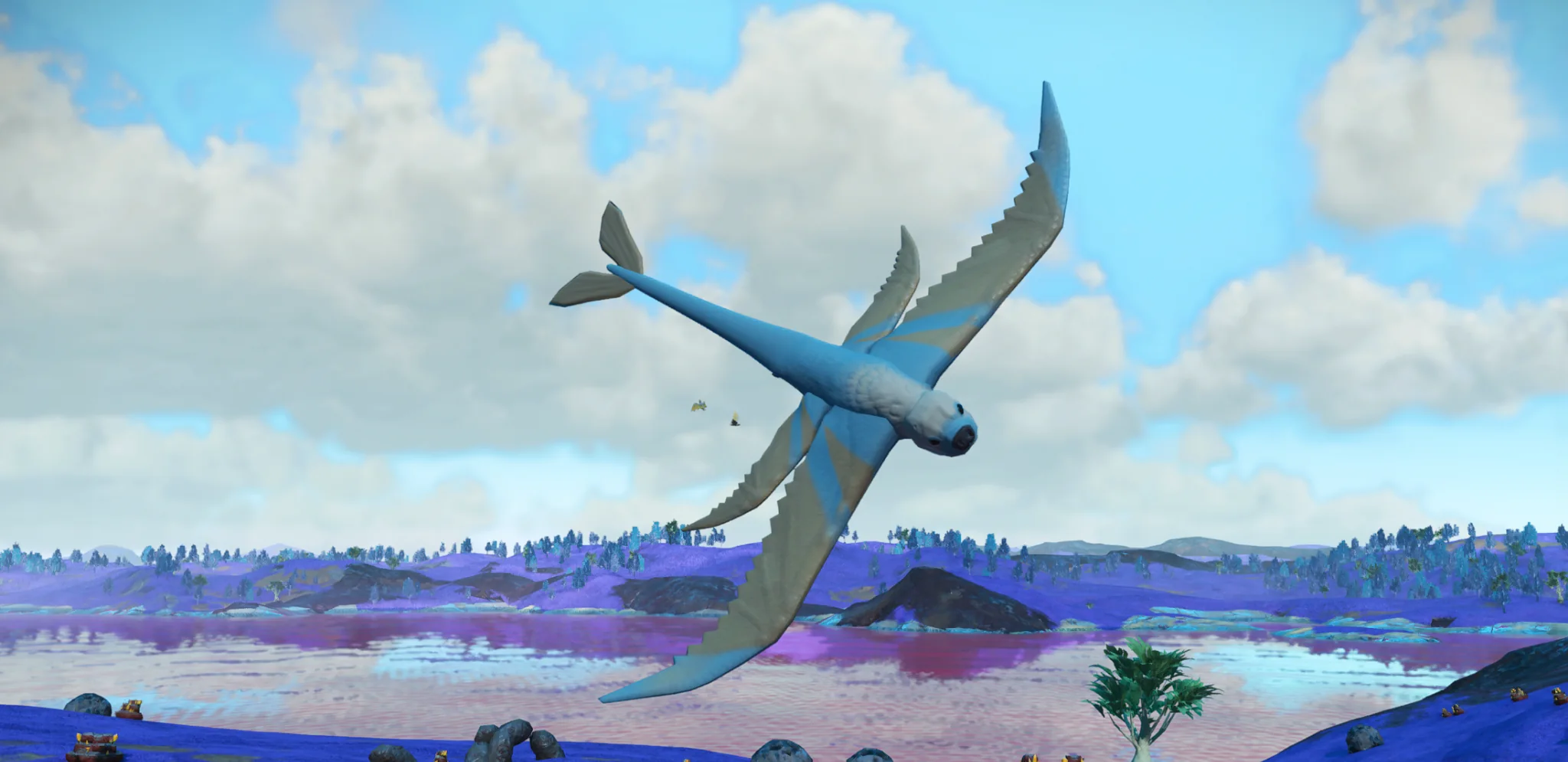
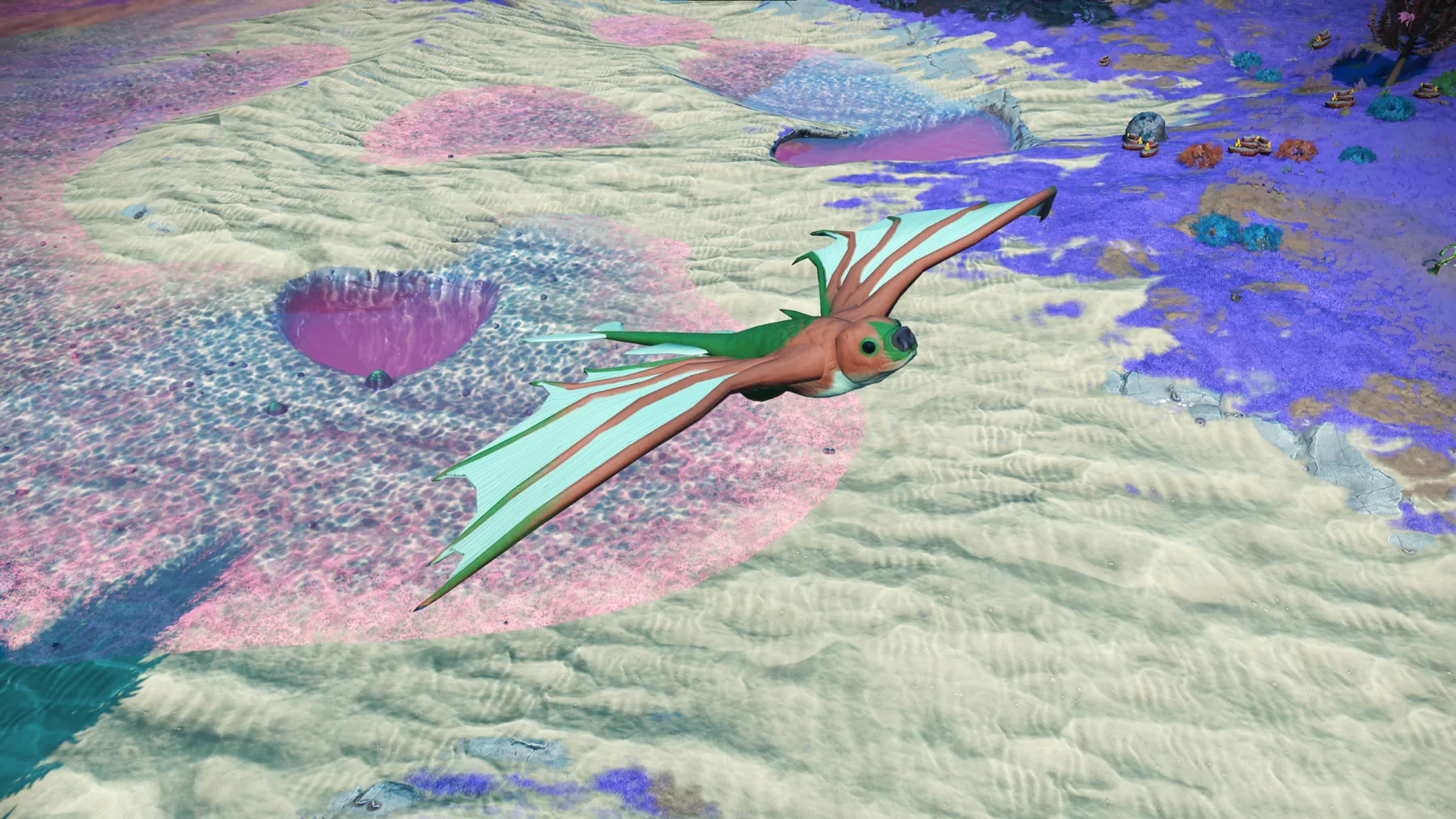
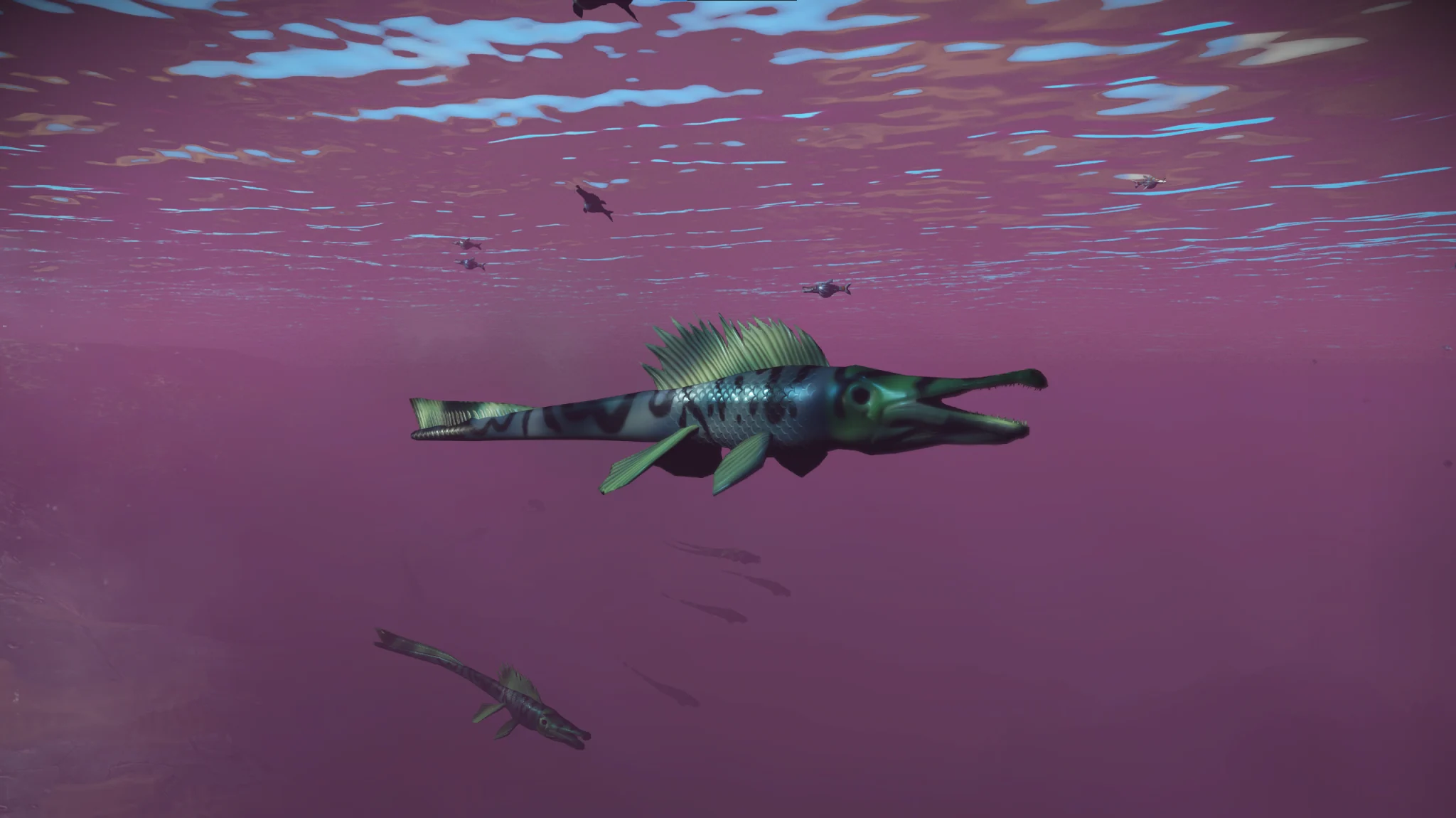
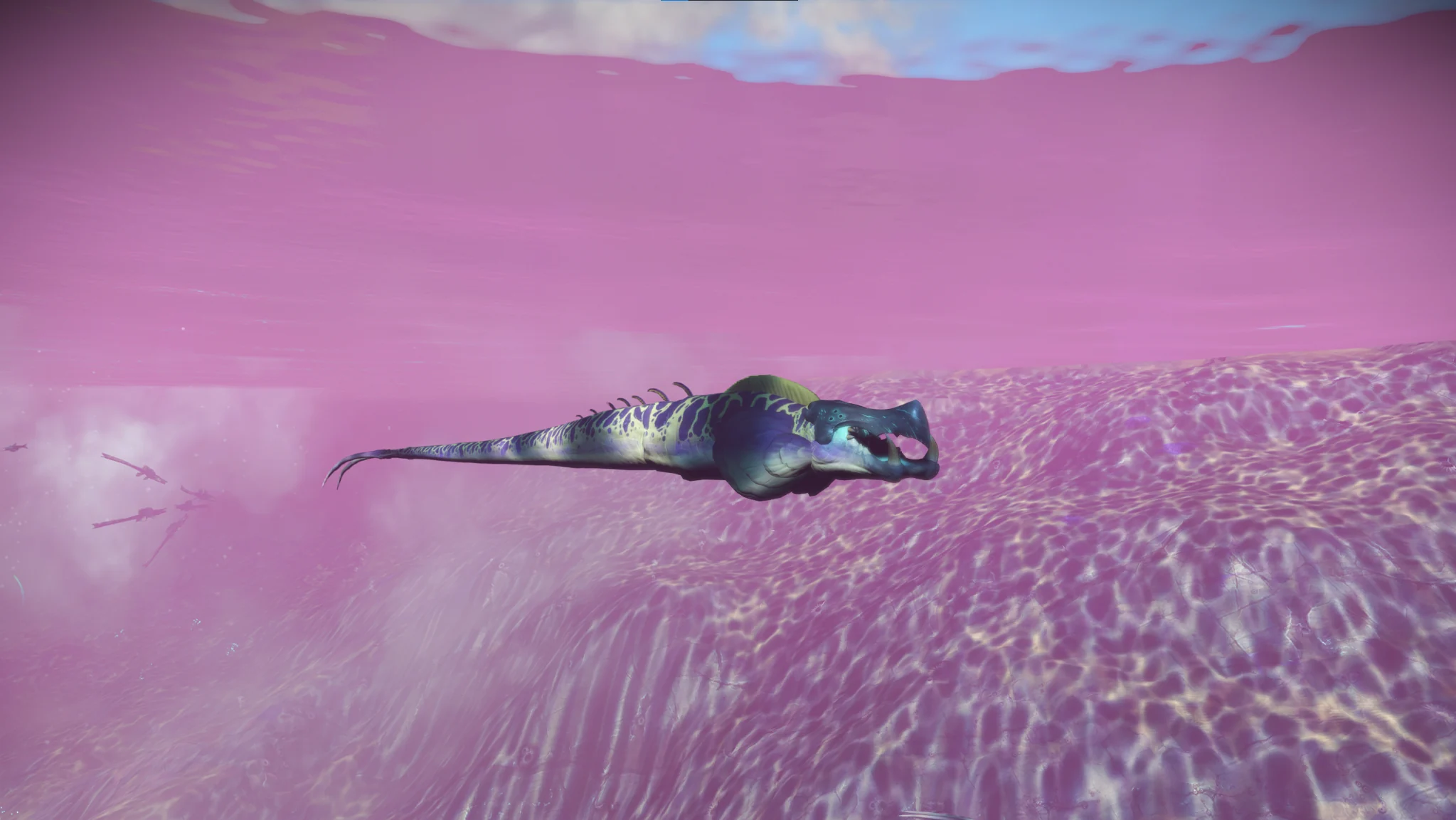
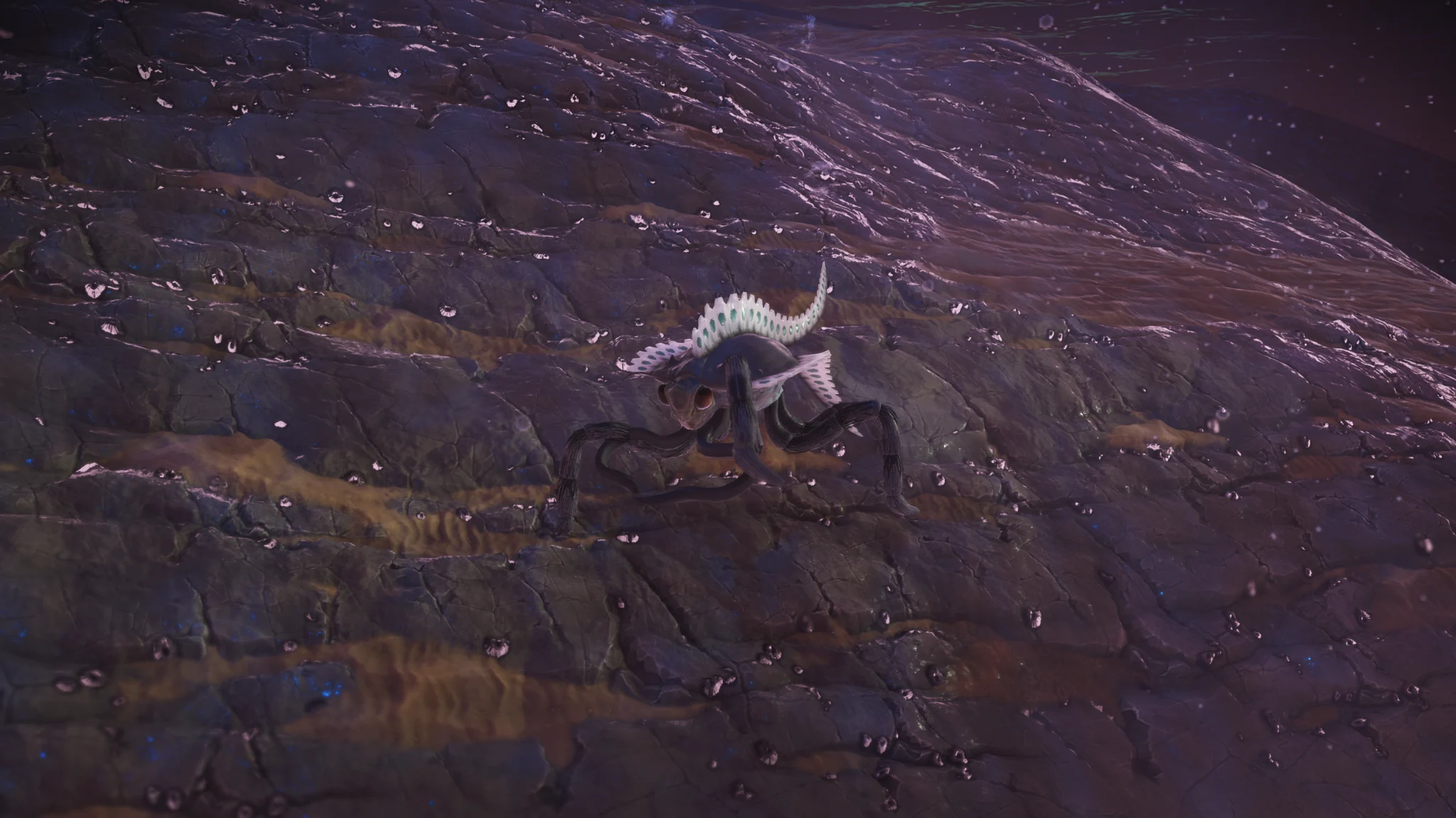
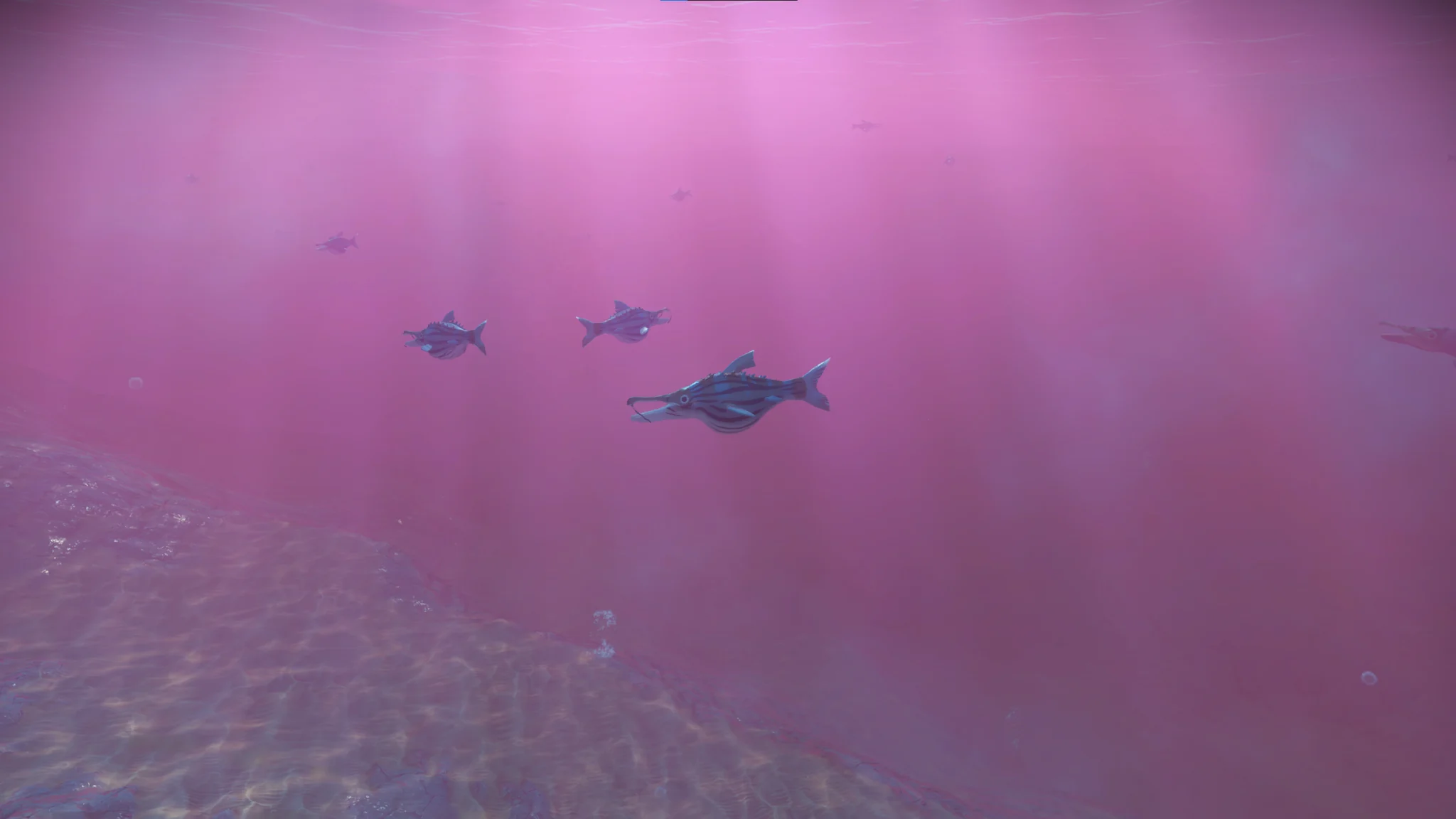
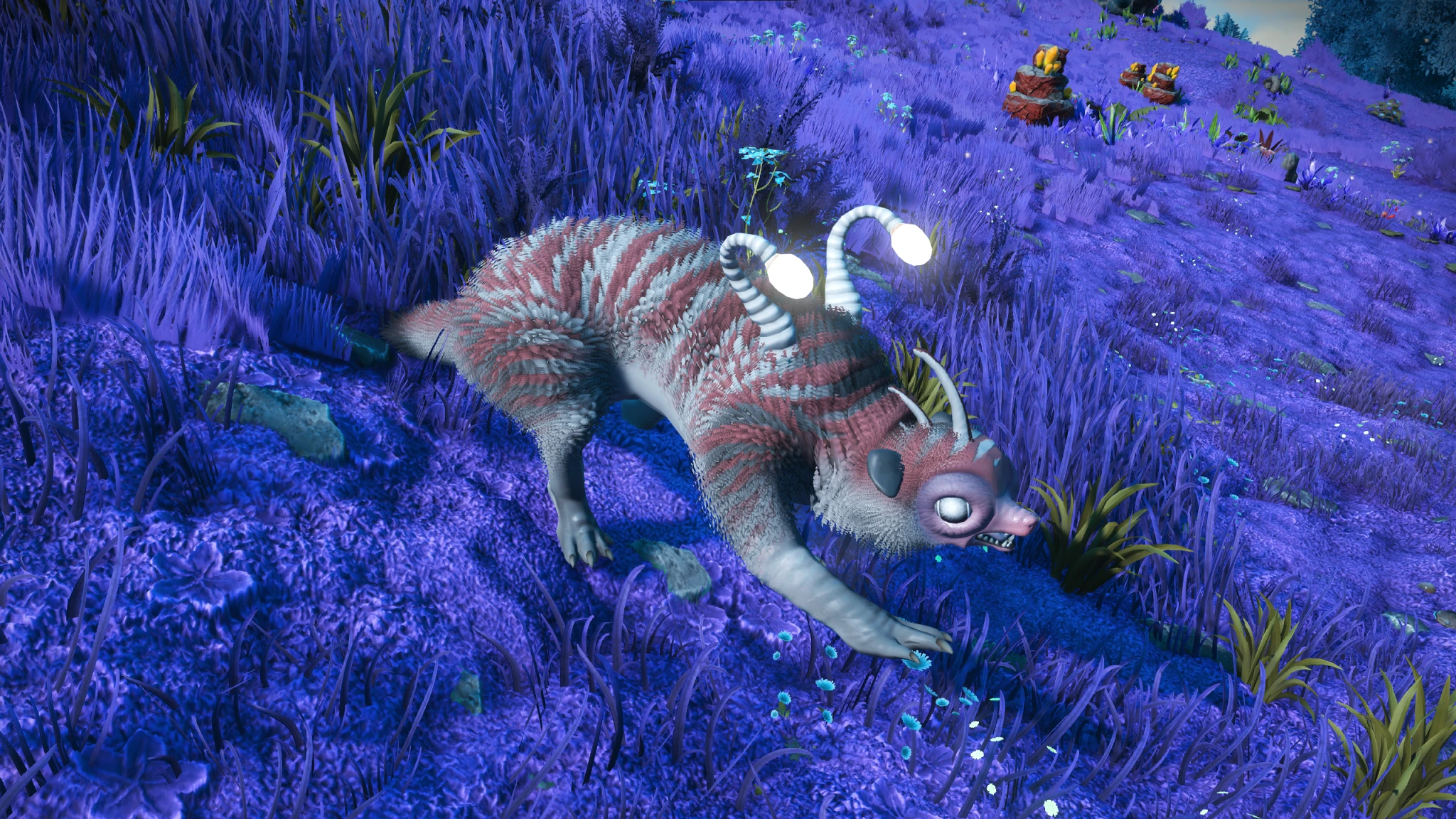
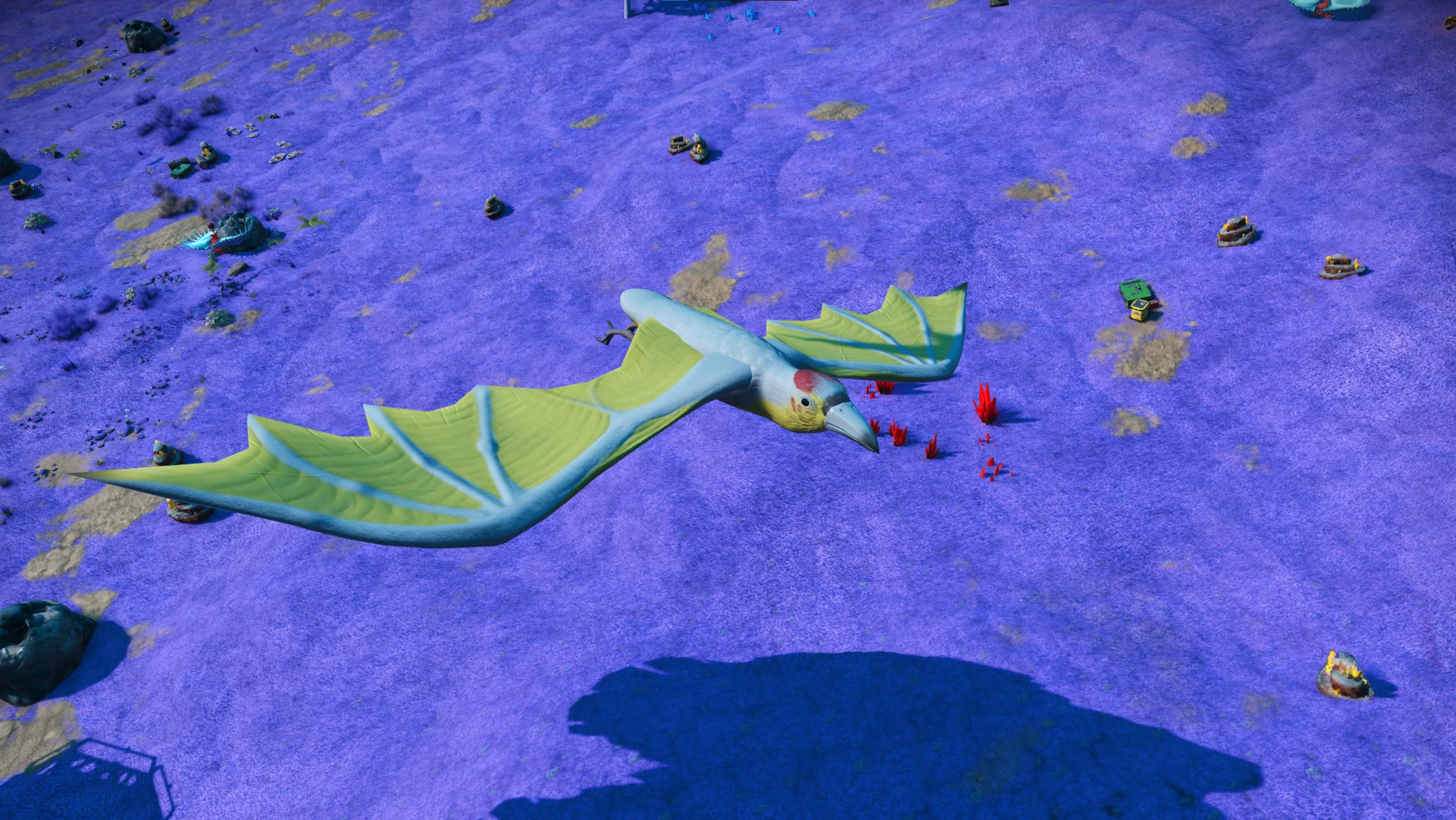
Ironleaf's authenticated fauna occupy several distinct environmental layers. Aerial organisms are documented over grassy plains, temperate terrain, and forest canopy; marine organisms occupy open coastal waters, shallow pelagic zones, coastal shelf, and rocky seafloor; and Striped Lantern confirms a terrestrial predatory niche. The preserved records therefore show that animal life is distributed through air, land, and sea rather than concentrated in a single habitat.
Supported Interpretation
The strongest pattern in the current archive is ecological specialization. Recorded feeding strategies include sugar-seeking aerial foraging, plant-associated feeding, scavenging, benthic foraging, rapid schooling forage behavior, and terrestrial predation. Locomotion is similarly varied, including sustained flight, rapid schooling movement, continuous pelagic swimming, seabed walking, and low terrestrial travel. Taken together, these observations support a working interpretation of Ironleaf as a biologically diverse world in which multiple locomotor and feeding strategies coexist across sharply different habitats.
Patterns Requiring Caution
Several scanner descriptions remain difficult to reconcile with field morphology or limited observation. Some behaviors are scanner-reported but were not witnessed directly, and visually similar aerial organisms cannot yet be treated as evolutionarily related. Likewise, unusual reproductive classifications, physiological notes, and specialized feeding mechanisms are authenticated scanner data but do not by themselves establish ancestry, developmental history, or ecological dependence.
Questions Retained
A complete biosignature inventory does not make Ironleaf's zoology fully understood. Seasonal behavior, reproductive cycles, population density, migration, predator-prey relationships, and direct interspecies interactions remain incompletely observed. Future expeditions should treat this interpretation as a baseline: strong enough to describe the structure presently visible in the evidence, but deliberately open to revision when longer-duration and geographically broader observations become available.
Ironleaf's zoological record is complete at the level of known orbital biosignatures. Its ecological history is not. The archive preserves this distinction intentionally.
— Aster, Archive Curator